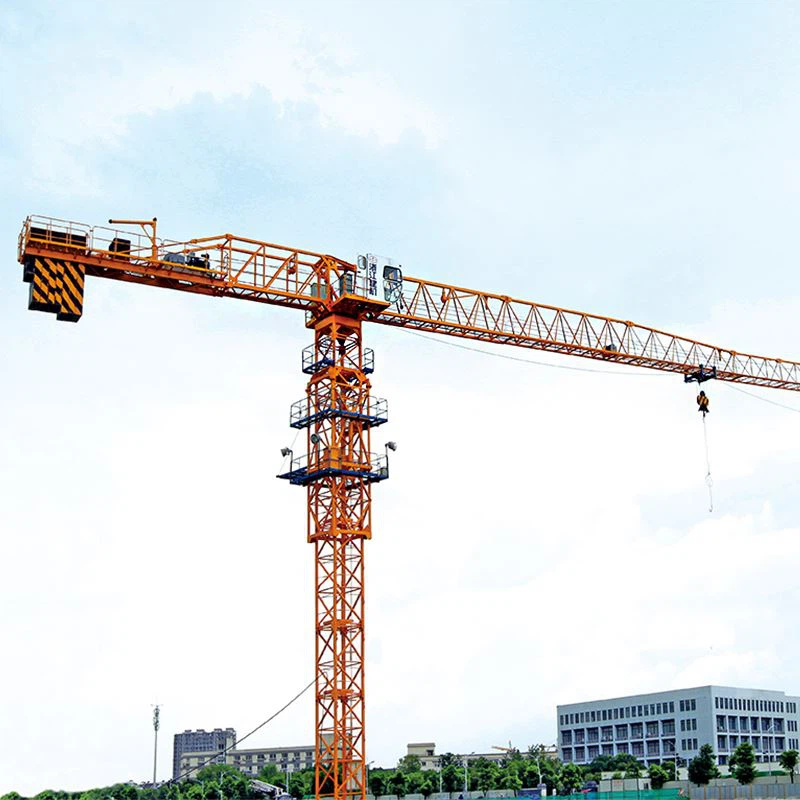
What is the normal operating procedure of the Flat Head Tower Crane 8T?
May 15, 2025
Leave a message
Hey there! As a supplier of the Flat Head Tower Crane 8T, I'm super excited to walk you through the normal operating procedure of this amazing piece of machinery. Whether you're a construction newbie or a seasoned pro, understanding how to operate this crane safely and efficiently is crucial. So, let's dive right in!
Pre - operation Checks
Before you even think about firing up the Flat Head Tower Crane 8T, there are a bunch of pre - operation checks you need to do. First off, take a good look at the crane's overall structure. Check for any signs of damage, like cracks in the mast, bent arms, or loose bolts. You don't want to be in the middle of a lift and have something break loose!
Next, inspect the electrical system. Make sure all the wires are properly connected and there are no frayed or exposed cables. A faulty electrical system can not only cause the crane to malfunction but also pose a serious safety hazard.
The hydraulic system is another critical area. Check the hydraulic fluid level. If it's low, you'll need to top it up. Also, look for any signs of leaks around the hydraulic cylinders and hoses. A leaky hydraulic system can lead to a loss of power and control.
Don't forget about the safety devices. The limit switches, which are designed to prevent the crane from over - extending or over - loading, should be in good working condition. Test them to make sure they're functioning as they should. The emergency stop button is also essential. It should be easily accessible and work without any issues.

Setting Up the Crane
Once you've completed the pre - operation checks, it's time to set up the crane. First, choose a suitable location. The ground should be level, firm, and able to support the weight of the crane and the load it will be carrying. If the ground is soft or uneven, you may need to use stabilizing pads or footings to prevent the crane from tipping over.
After you've found the right spot, assemble the crane according to the manufacturer's instructions. This usually involves erecting the mast, attaching the jib and counter - jib, and installing the hoisting and slewing mechanisms. Make sure all the components are properly aligned and tightened.
Once the crane is assembled, you'll need to calibrate it. This involves setting the load charts, which show the maximum load the crane can lift at different radii. It's important to follow the load charts strictly to avoid over - loading the crane. You can find more information about different types of cranes in the construction industry on our page Construction Industry Cranes.

Operating the Crane
Now that the crane is set up and calibrated, it's time to start operating it. Before you make any movements, make sure the area around the crane is clear of people and obstacles. You don't want to accidentally hit someone or something.
When you're ready to lift a load, first attach the hook to the load using the appropriate rigging equipment. Make sure the load is balanced and secure. Then, use the hoisting mechanism to slowly lift the load off the ground. Keep a close eye on the load and the crane's controls to ensure a smooth lift.
As you lift the load, you may need to slew the crane to move it to the desired location. Use the slewing controls to rotate the crane gently. Be careful not to make sudden or jerky movements, as this can cause the load to swing and become unstable.
When you're moving the load horizontally, use the trolley mechanism to move the load along the jib. Again, move slowly and smoothly to maintain control of the load.
Lowering the Load
Once you've moved the load to the desired location, it's time to lower it. Use the hoisting mechanism to slowly lower the load to the ground. Make sure the load is placed gently and securely.
After the load is on the ground, release the hook from the load. Check the load and the rigging equipment to make sure everything is in good condition.
Post - operation Checks
After you've finished using the crane, there are some post - operation checks you need to do. First, park the crane in a safe location. Make sure the jib is in a neutral position and the brakes are engaged.
Next, turn off the power supply to the crane. This helps prevent any accidental operation and also saves energy.
Inspect the crane again for any signs of damage or wear that may have occurred during the operation. If you notice any issues, make sure to report them immediately and have them fixed before the next use.
If you're interested in a flat top tower crane for your construction projects, check out our Flat Top Tower Crane for Construction page. And if you need a crane with a 60m reach, our 60m Flat Top Tower Crane might be just what you're looking for.
Safety Tips
Safety should always be your top priority when operating the Flat Head Tower Crane 8T. Here are some important safety tips:
- Always wear the appropriate personal protective equipment, like hard hats, safety glasses, and steel - toe boots.
- Follow the manufacturer's instructions and the safety guidelines at all times.
- Don't operate the crane if you're tired, under the influence of drugs or alcohol, or not feeling well.
- Keep a safe distance from the crane when it's in operation, especially when the load is being lifted or moved.
Contact for Purchase
If you're in the market for a Flat Head Tower Crane 8T or have any questions about its operation, we're here to help. We're a reliable supplier with a lot of experience in the industry. Just reach out to us, and we can have a chat about your specific needs. We'll work with you to make sure you get the right crane for your construction projects.
References
- Crane Manufacturer's Manual
- Construction Safety Guidelines
So, that's the normal operating procedure of the Flat Head Tower Crane 8T. I hope this blog has been helpful to you. If you have any more questions, feel free to ask!