

How is the anti - wind device of a static tower crane designed?
May 15, 2025
Leave a message
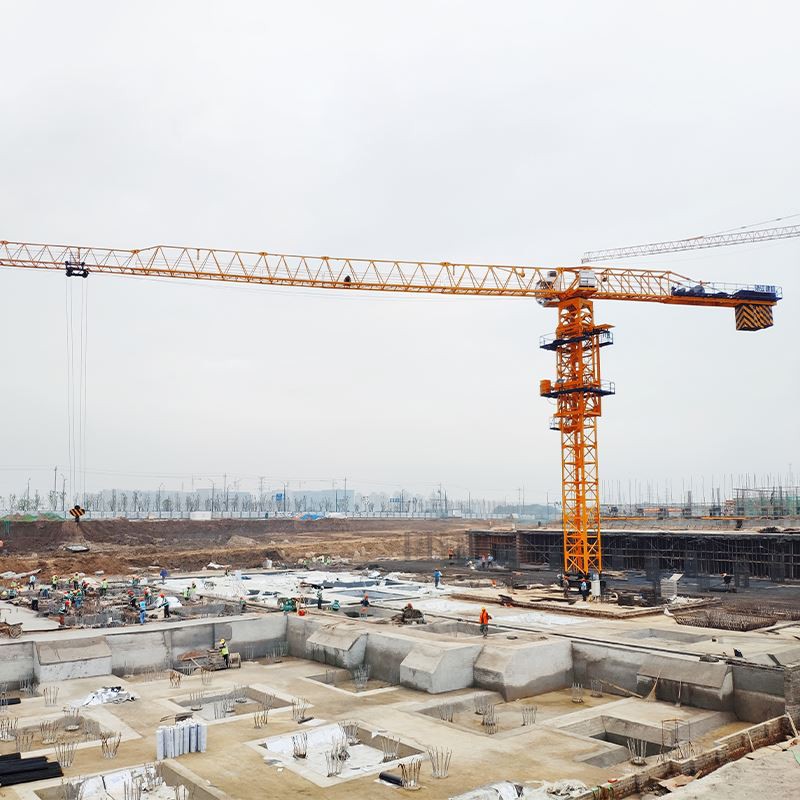
Hey there! I'm a supplier of Static Tower Cranes, and today I'm gonna dive into how the anti - wind device of a static tower crane is designed. It's a crucial aspect that ensures the safety and stability of these massive machines, especially in windy conditions.
The Basics of Anti - Wind Devices
First off, let's understand why we need anti - wind devices in static tower cranes. Static tower cranes are stationary structures used in construction sites to lift and move heavy materials. They can be pretty tall, sometimes reaching hundreds of feet into the air. When strong winds blow, these cranes are at risk of swaying, tipping over, or getting damaged. That's where anti - wind devices come in.
One of the key components of an anti - wind device is the wind speed sensor. This little gadget constantly monitors the wind speed around the crane. When the wind speed reaches a certain threshold, it sends a signal to the crane's control system. For example, if the normal operating wind speed limit for a crane is around 20 miles per hour, and the sensor detects that the wind has picked up to 25 miles per hour, it'll trigger an alarm.
Design Considerations for Anti - Wind Devices
When designing an anti - wind device, we have to take several factors into account.
Structural Integrity
The device needs to be built to withstand high - wind forces. It's usually made of strong materials like steel. The design must ensure that it can handle the pressure exerted by the wind without bending or breaking. For instance, the support brackets that hold the wind - resistant components in place are designed with a high safety factor. They are calculated to bear much more force than the maximum expected wind load.
Compatibility with the Crane
The anti - wind device must be compatible with the specific model of the static tower crane. Different cranes have different sizes, weights, and operating mechanisms. So, the device has to be customized to fit the crane properly. It should integrate seamlessly with the crane's existing control system. For example, if the crane has a hydraulic system for its movement, the anti - wind device should be able to communicate with that system effectively.
Ease of Installation and Maintenance
We don't want a complicated device that takes a long time to install or is difficult to maintain. The anti - wind device should be designed in a way that it can be easily installed on the crane without major modifications. Also, regular maintenance should be straightforward. For example, the wind speed sensor should be accessible for calibration and replacement if needed.
Types of Anti - Wind Devices
There are a few different types of anti - wind devices that we use in static tower cranes.
Counterweights
Counterweights are a simple yet effective anti - wind solution. By adding extra weight to the base or a specific part of the crane, we can increase its stability. When the wind blows, the counterweight helps to keep the crane from tipping over. The amount of counterweight needed depends on the height and size of the crane, as well as the expected wind conditions in the area where the crane will be used.
Guy Wires
Guy wires are cables that are attached from the top of the crane to the ground. They provide additional support and help to resist the lateral forces exerted by the wind. The number and placement of guy wires are carefully calculated based on the crane's design. For example, a taller crane may require more guy wires to ensure its stability.
Aerodynamic Shaping
Some modern static tower cranes are designed with aerodynamic shapes. This means that the structure of the crane is shaped in a way that reduces the wind resistance. For example, instead of having sharp edges, the crane's jib may have a more streamlined shape. This helps to minimize the force of the wind acting on the crane.
The Role of Technology in Anti - Wind Device Design
Technology plays a huge role in the design of anti - wind devices. With the advancement of sensors and control systems, we can now have more precise and reliable anti - wind protection.
Smart Sensors
As mentioned earlier, wind speed sensors are essential. But now, we also have sensors that can detect other factors like wind direction, vibration, and even the angle of the crane. These smart sensors can provide real - time data to the crane's control system, allowing it to make more informed decisions. For example, if the sensor detects that the wind is coming from a certain direction, the control system can adjust the crane's position or the operation of the anti - wind device accordingly.
Automation
Automation is another important aspect. Once the anti - wind device detects a high - wind situation, it can automatically take certain actions. For example, it can stop the crane's lifting operations, retract the jib, or engage the counterweights. This reduces the risk of human error and ensures a faster response to changing wind conditions.

Our Products and Their Anti - Wind Features
As a supplier of Static Tower Cranes, we offer a range of products with top - notch anti - wind features.
Our Self Erecting Flat Top Crane is designed with a state - of - the - art anti - wind system. It has a set of smart sensors that continuously monitor the wind conditions. When the wind speed exceeds the safe limit, the crane automatically adjusts its position and operation to maintain stability. The aerodynamic design of the flat top also helps to reduce wind resistance.
The New Flat Head Tower Crane is another great option. It comes with a robust counterweight system that provides excellent stability in windy conditions. The counterweights are adjustable, so we can customize them based on the specific requirements of the project. And the guy wires on this crane are made of high - strength steel, ensuring reliable support against strong winds.
Our Flat Top Tower Crane for Construction is built to withstand harsh weather conditions. It has a sophisticated automation system that controls the anti - wind device. The system can detect changes in wind speed and direction in real - time and take appropriate actions to keep the crane safe.

Why Choose Our Static Tower Cranes
When it comes to choosing a static tower crane, the anti - wind design is a critical factor. Our cranes are designed by a team of experienced engineers who understand the importance of safety and stability. We use the latest technology and high - quality materials to ensure that our anti - wind devices are reliable and effective.
If you're in the market for a static tower crane, whether it's for a small - scale construction project or a large - scale development, our products can meet your needs. We offer competitive prices, excellent customer service, and a warranty on all our products.
Let's Talk!
If you're interested in learning more about our static tower cranes and their anti - wind features, or if you want to discuss a potential purchase, don't hesitate to reach out. We're always happy to have a chat and help you find the right crane for your project.
References
- "Tower Crane Safety Manual", Construction Industry Safety Council
- "Wind Engineering for Structural Design", John D. Holmes
So, that's a detailed look at how the anti - wind device of a static tower crane is designed. I hope this blog has been informative for you!