

How do building tower cranes work in areas with a high level of noise pollution?
Dec 23, 2025
Leave a message
Working in areas with a high level of noise pollution presents unique challenges for building tower cranes. As a supplier of building tower cranes, I've had extensive experience dealing with these situations. In this blog, I'll delve into how tower cranes operate in such environments, the challenges they face, and the solutions we offer to ensure efficient and safe operation.
Understanding Noise Pollution in Construction Sites
Noise pollution in construction sites is a common issue, especially in urban areas where building activities are often close to residential or commercial buildings. The sources of noise in these areas can be diverse, including the operation of heavy machinery, the impact of materials, and the movement of vehicles. High levels of noise can not only cause discomfort to nearby residents and workers but also pose potential health risks, such as hearing loss and stress.
How Tower Cranes Function in Noisy Environments
Tower cranes are essential equipment in construction projects, used for lifting and moving heavy materials to different heights and locations. In areas with high noise pollution, the operation of tower cranes needs to be carefully managed to ensure safety and efficiency.
1. Structural Design and Noise Reduction
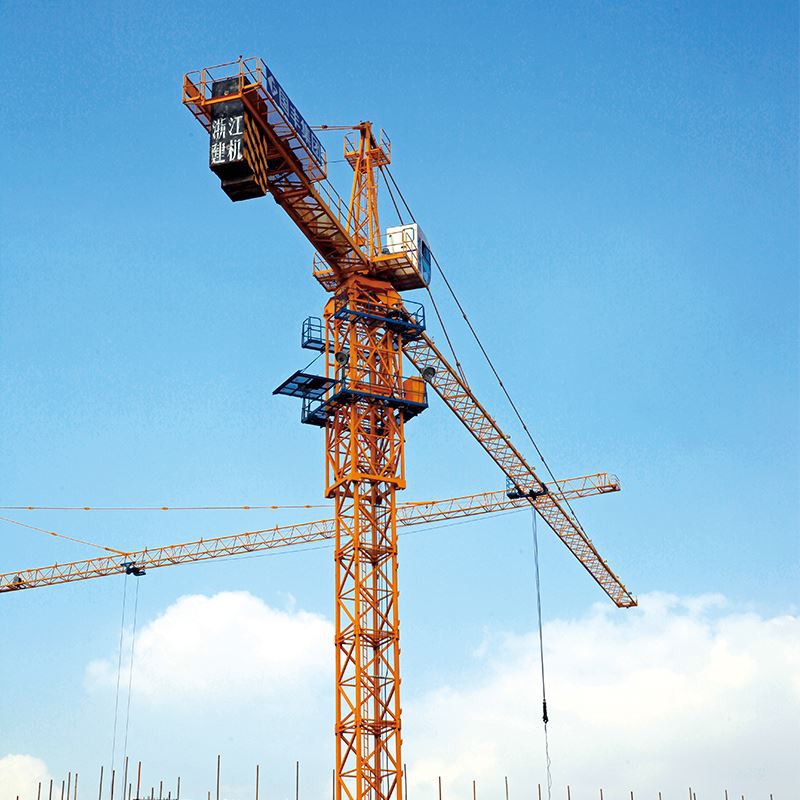
Our tower cranes are designed with advanced noise - reduction technologies. For example, the use of high - quality materials in the construction of the crane structure can help dampen vibrations, which are a major source of noise. The joints and connections of the crane are also engineered to minimize rattling and clanging sounds. Our 65m Jib Length Crane features a robust yet well - engineered structure that reduces noise emissions during operation.
2. Motor and Drive System
The motor and drive system of a tower crane are critical components that can generate significant noise. We use state - of the - art electric motors that are designed to operate quietly. These motors are equipped with advanced control systems that optimize power consumption and reduce noise levels. Additionally, the gearboxes in our tower cranes are precision - engineered to ensure smooth operation and minimize the noise produced by gear meshing. The Pointed Tower Crane is equipped with a high - efficiency motor and drive system that operates with minimal noise.
3. Operator Training
In noisy environments, effective communication between the operator and the ground crew is crucial. Our operators undergo specialized training to operate the tower cranes in high - noise areas. They are taught to use visual signals and advanced communication devices, such as two - way radios with noise - cancellation features, to ensure clear and accurate communication. This helps to prevent misunderstandings and accidents during crane operation.
4. Maintenance and Inspection
Regular maintenance and inspection are essential to keep the tower cranes operating quietly and safely. We recommend a comprehensive maintenance schedule that includes checking the lubrication of moving parts, tightening loose bolts and nuts, and inspecting the condition of the noise - reduction components. By keeping the crane in good condition, we can prevent the development of additional noise sources due to wear and tear. Our 70m Jib Length Tower Crane ZJ7019 is designed for easy maintenance, with accessible parts and clear inspection procedures.
Challenges in High - Noise Areas
Despite the advanced technologies and training, there are still several challenges when operating tower cranes in high - noise areas.
1. Communication Barriers
The high level of background noise can make it difficult for the operator to hear important instructions or warnings. This can lead to delays in operations or even safety hazards. To address this, we are constantly researching and developing new communication technologies that can overcome the noise interference.
2. Environmental Regulations
Many urban areas have strict environmental regulations regarding noise emissions. Construction companies need to ensure that their tower cranes comply with these regulations. Failure to do so can result in fines and legal issues. Our tower cranes are designed to meet or exceed the relevant noise - emission standards, but continuous monitoring and improvement are still necessary.
3. Worker Fatigue
Working in a noisy environment for long periods can cause fatigue and stress among workers. This can affect their concentration and performance, increasing the risk of accidents. We advocate for regular breaks and the use of personal protective equipment, such as noise - cancelling headphones, to protect the workers' health.
Solutions and Innovations
To overcome these challenges, we are constantly innovating and improving our tower crane technology.
1. Smart Crane Systems
We are developing smart crane systems that use sensors and artificial intelligence to optimize crane operation. These systems can automatically adjust the crane's speed, load, and movement based on the surrounding noise level and other environmental factors. For example, if the noise level exceeds a certain threshold, the system can slow down the crane's operation to reduce noise emissions.

2. Noise - Monitoring Devices
We are also integrating noise - monitoring devices into our tower cranes. These devices can continuously measure the noise level generated by the crane and provide real - time feedback to the operator and the management team. This allows for immediate adjustments to be made to ensure compliance with environmental regulations.
Conclusion
Operating building tower cranes in areas with a high level of noise pollution is a complex but manageable task. Through advanced design, operator training, and continuous innovation, we can ensure that our tower cranes operate safely, efficiently, and quietly. If you are involved in a construction project in a high - noise area and are looking for reliable tower crane solutions, we are here to help. Our team of experts can provide you with detailed information about our products and services, and work with you to find the best crane for your specific needs. Contact us today to start a procurement discussion and take your construction project to new heights.
References
- Construction Equipment Guide: "Noise Pollution in Construction Sites"
- International Journal of Construction Engineering: "Advanced Technologies for Noise Reduction in Tower Cranes"
- Occupational Safety and Health Administration: "Protecting Workers from Noise in Construction"