

What is the maximum altitude at which ZJCM Flat Top Crane 16t can operate?
Jun 11, 2025
Leave a message
As a supplier of the ZJCM Flat Top Crane 16t, I often receive inquiries from customers about the maximum altitude at which this crane can operate. Understanding the operational altitude limits of a crane is crucial for various construction projects, as it directly impacts the crane's efficiency and safety. In this blog, I'll delve into the factors determining the maximum operating altitude of the ZJCM Flat Top Crane 16t and provide you with a comprehensive overview.
Technical Specifications and Design Considerations
The ZJCM Flat Top Crane 16t is engineered with advanced technology and high - quality materials to ensure optimal performance. Its design takes into account several factors that influence the maximum operating altitude. Firstly, the structural integrity of the crane is of utmost importance. The mast, jib, and other components are designed to withstand the forces exerted at different altitudes. The materials used in the construction of the crane, such as high - strength steel, contribute to its ability to operate at significant heights.
The crane's hoisting mechanism also plays a vital role. The ZJCM Flat Top Crane 16t is equipped with a powerful hoist that can lift heavy loads up to a certain height. The capacity of the hoist motor, the diameter and strength of the wire rope, and the efficiency of the braking system all determine how high the crane can lift its load safely.
Another critical factor is the stability of the crane. At higher altitudes, the crane is more susceptible to wind forces. The ZJCM Flat Top Crane 16t is designed with a stable base and counterweights to resist these forces. The flat - top design also helps to reduce wind resistance compared to some other crane designs, allowing it to operate more safely at higher altitudes.
Determining the Maximum Altitude
The maximum altitude at which the ZJCM Flat Top Crane 16t can operate is typically determined through a combination of engineering calculations and real - world testing. Engineers use mathematical models to analyze the stresses and forces acting on the crane at different heights. These models take into account factors such as the weight of the load, the wind speed, and the structural properties of the crane.
Real - world testing is also conducted in various environmental conditions. The crane is tested at different altitudes to ensure that it can perform its functions safely and efficiently. During these tests, the crane's performance is closely monitored, and any issues or limitations are identified and addressed.
Based on our experience and the results of these tests, the ZJCM Flat Top Crane 16t can typically operate at an altitude of up to [X] meters. However, this maximum altitude can be affected by several factors, which I'll discuss in the next section.
Factors Affecting the Maximum Altitude
Load Capacity
The weight of the load being lifted has a significant impact on the maximum altitude. As the load increases, the crane has to work harder, and its ability to reach higher altitudes may be reduced. For example, if the crane is lifting a full 16 - ton load, it may not be able to reach the maximum altitude as it would when lifting a lighter load.
Wind Conditions
Wind is one of the most critical factors affecting the crane's operation at high altitudes. Strong winds can exert significant forces on the crane, making it unstable. The ZJCM Flat Top Crane 16t has a wind speed limit for safe operation. As the altitude increases, the wind speed generally also increases. Therefore, in areas with high - altitude and high - wind conditions, the maximum operating altitude of the crane may need to be adjusted to ensure safety.
Maintenance and Condition of the Crane
Regular maintenance is essential for the safe and efficient operation of the crane. A well - maintained crane is more likely to reach its maximum operating altitude compared to a crane that has not been properly maintained. Components such as the hoist, wire rope, and brakes need to be inspected and serviced regularly to ensure that they are in good working condition.
Comparison with Other Crane Models
When considering the maximum operating altitude of the ZJCM Flat Top Crane 16t, it's useful to compare it with other crane models in the market. For example, the 42m Free Height Flat Top Tower Crane has its own set of specifications and maximum operating altitude. By comparing these models, customers can make more informed decisions based on their specific project requirements.
The Flat Head Tower Crane ZJT6013 is another popular model. While it may have different features and performance capabilities, understanding its maximum operating altitude can provide a broader perspective on the range of options available for construction projects.

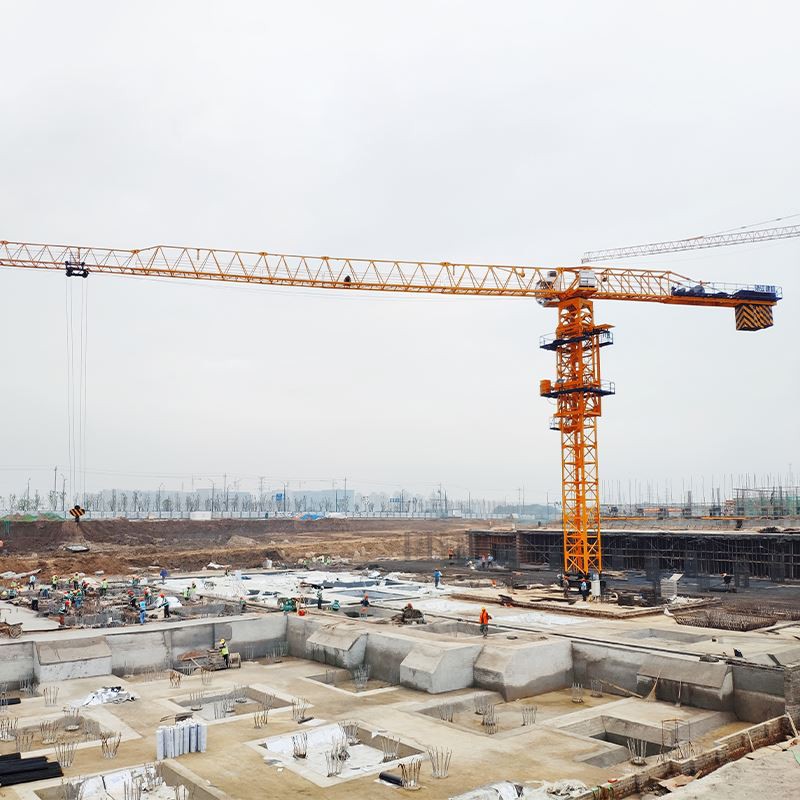
The New Flat Head Tower Crane also offers unique advantages. Comparing its maximum altitude with that of the ZJCM Flat Top Crane 16t can help customers evaluate which crane is the best fit for their needs.
Importance of Choosing the Right Crane for Altitude Requirements
Selecting the right crane for your construction project is crucial, especially when it comes to altitude requirements. If you choose a crane with a maximum operating altitude that is too low for your project, it may not be able to reach the necessary heights, resulting in delays and inefficiencies. On the other hand, choosing a crane with a much higher maximum altitude than you actually need can be a waste of resources.
The ZJCM Flat Top Crane 16t offers a good balance of performance and altitude capabilities for many construction projects. Its design and engineering ensure that it can operate safely and efficiently at a reasonable altitude, making it a popular choice among contractors.
Contact for Purchase and Consultation
If you are involved in a construction project and are considering the ZJCM Flat Top Crane 16t, I encourage you to contact us for more information. Our team of experts can provide you with detailed specifications, answer your questions about the maximum operating altitude, and help you determine if this crane is the right choice for your project. Whether you need a crane for a high - rise building or a smaller construction site, we can offer valuable advice and support.
References
- Crane Design and Engineering Manual
- Construction Equipment Handbook
- Technical Reports on ZJCM Flat Top Crane 16t Testing