

What is the inspection frequency for a topkit tower crane?
Jan 09, 2026
Leave a message
Hey there! As a supplier of topkit tower cranes, I often get asked about the inspection frequency for these bad boys. It's a crucial topic, one that can have a huge impact on safety, efficiency, and overall performance. So, let's dive right in and break it down.
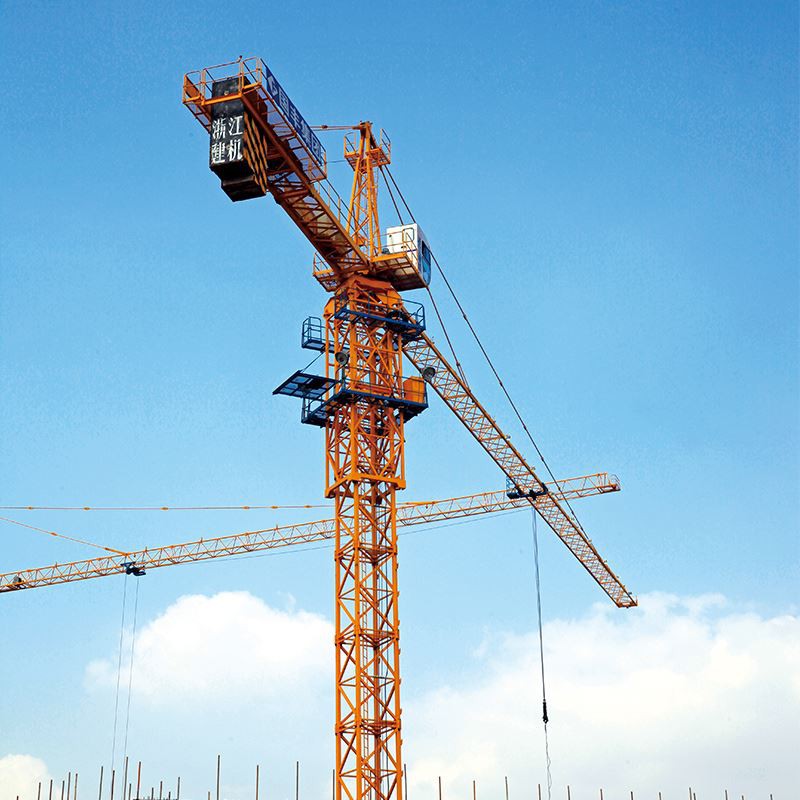
First off, what exactly is a topkit tower crane? Well, it's a type of tower crane where the jib, mast sections, and other key components are designed to be easily assembled and disassembled. This makes them super handy for construction sites where you need to move the crane around or set it up quickly. And we've got some awesome options, like the 10 Ton Topkit Tower Crane, the Pointed Tower Crane, and the 65m Boom Length Hammerhead Tower Crane.
Now, onto the inspection frequency. There's no one - size - fits - all answer here, as it depends on a bunch of different factors.
Factors Affecting Inspection Frequency
Usage Intensity
If your topkit tower crane is working round - the - clock, practically non - stop, it's going to need more frequent inspections. Think about it like a car. If you're driving it long distances every single day, you're going to want to check the oil, brakes, and other parts more often than if you only use it once in a while. For cranes that are in constant use, a weekly visual inspection and a monthly in - depth mechanical and electrical inspection are usually a good idea.
Environmental Conditions
The environment where the crane is operating plays a huge role. If it's in a coastal area with high humidity and saltwater in the air, corrosion can be a big problem. Saltwater can eat away at the metal components of the crane, weakening them over time. In this case, you might want to do a visual inspection for signs of rust and corrosion every few days. In a dusty construction site, the dust can get into the moving parts and cause wear and tear. A weekly inspection to clean and lubricate the moving parts would be smart.
Crane Age
Newer cranes generally have fewer issues compared to older ones. A brand - new topkit tower crane might only need a thorough inspection every few months, as long as it's being used under normal conditions. But as the crane ages, its components start to wear out. For a crane that's been in service for 5 - 10 years, you should increase the inspection frequency to at least once a month for a comprehensive check.

Types of Inspections
Visual Inspections
These are the most basic but also the most important inspections. A visual inspection can catch a lot of obvious problems, like loose bolts, cracked welds, or frayed cables. You can do a quick visual inspection before each use. Just walk around the crane, look at the mast, jib, and other components. Check for any signs of damage or wear. If you notice anything suspicious, don't use the crane until you've had a more in - depth inspection.
Mechanical Inspections
Mechanical inspections focus on the moving parts of the crane, like the hoist, trolley, and slewing mechanism. These parts are under a lot of stress and can wear out over time. During a mechanical inspection, you'll check the gears, bearings, and brakes to make sure they're in good working order. You'll also look for any signs of excessive wear, like uneven tooth wear on the gears. A mechanical inspection should be done at least once a month for cranes that are in regular use.
Electrical Inspections
The electrical system of a topkit tower crane is crucial for its operation. Faulty electrical components can cause the crane to malfunction or even pose a safety hazard. During an electrical inspection, you'll check the wiring, switches, and control panels. Look for any signs of frayed wires, loose connections, or overheating components. Electrical inspections should be carried out monthly, especially in areas with high humidity or extreme temperatures.
Regulatory Requirements
It's important to note that there are also regulatory requirements when it comes to crane inspections. Different countries and regions have their own rules and standards. For example, in the United States, the Occupational Safety and Health Administration (OSHA) has specific guidelines for crane inspections. You need to make sure that you're following these regulations to avoid any legal issues and, more importantly, to keep your workers safe.
Benefits of Regular Inspections
Regular inspections aren't just a hassle or a regulatory requirement. They actually offer a lot of benefits.
Safety
The most obvious benefit is safety. By catching problems early, you can prevent accidents from happening. A loose bolt or a worn - out cable could lead to a serious crane failure, which could endanger the lives of your workers and damage property. Regular inspections help you identify and fix these issues before they become major problems.
Cost Savings
In the long run, regular inspections can save you a ton of money. Fixing a small problem during an inspection is a lot cheaper than dealing with a major breakdown. A broken hoist or a damaged jib can cost thousands of dollars to repair and can also cause significant downtime on your construction site. By investing in regular inspections, you can avoid these costly repairs and keep your project on track.
Performance
A well - maintained crane performs better. When all the components are in good working order, the crane can lift heavier loads more efficiently. This means you can get more work done in less time, increasing your productivity and profitability.
Conclusion
So, there you have it. The inspection frequency for a topkit tower crane depends on factors like usage intensity, environmental conditions, and crane age. But generally speaking, a combination of daily visual inspections, weekly or monthly mechanical and electrical inspections is a good approach. And always make sure you're following the regulatory requirements in your area.
If you're in the market for a topkit tower crane or have any questions about inspections or maintenance, don't hesitate to reach out. We're here to help you make the best decisions for your construction projects. Whether you need a 10 Ton Topkit Tower Crane, a Pointed Tower Crane, or a 65m Boom Length Hammerhead Tower Crane, we've got you covered.
References
- Occupational Safety and Health Administration (OSHA) Standards for Crane Inspections
- Manufacturer's Manuals for Topkit Tower Cranes