

How to adjust the working radius of a 16t Tower Crane?
Aug 22, 2025
Leave a message
Adjusting the working radius of a 16t Tower Crane is a crucial task that requires careful consideration and proper procedures. As a reputable supplier of 16t Tower Cranes, I understand the significance of this adjustment in ensuring the crane's optimal performance and safety on construction sites. In this blog post, I will share some valuable insights on how to adjust the working radius of a 16t Tower Crane effectively.
Understanding the Working Radius of a 16t Tower Crane
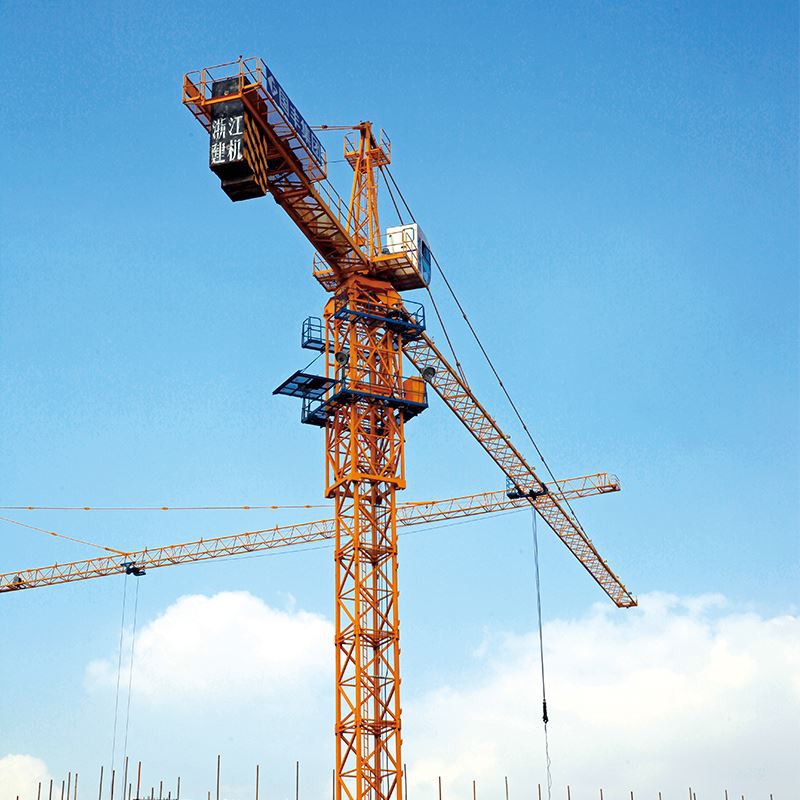
Before delving into the adjustment process, it is essential to have a clear understanding of what the working radius of a tower crane entails. The working radius, also known as the jib radius, refers to the horizontal distance from the center of the crane's rotation to the end of the jib. This radius determines the area within which the crane can lift and move loads.
In the case of a 16t Tower Crane, the maximum working radius is typically specified by the manufacturer and can vary depending on the crane's design and configuration. Adjusting the working radius allows operators to adapt the crane's reach to the specific requirements of a construction project, such as the layout of the site, the height of the buildings, and the location of the loads.

Factors Affecting the Working Radius
Several factors can influence the working radius of a 16t Tower Crane. These include:
- Jib Length: The length of the jib is a primary determinant of the working radius. Longer jibs provide a greater reach, but they also reduce the crane's lifting capacity at the end of the jib.
- Lifting Capacity: The lifting capacity of the crane decreases as the working radius increases. Operators must ensure that the load being lifted does not exceed the crane's rated capacity at the given radius.
- Counterweight: The counterweight of the crane is used to balance the load being lifted and maintain the crane's stability. Adjusting the counterweight can affect the working radius and the crane's overall performance.
- Wind Conditions: Strong winds can significantly impact the working radius of a tower crane. High winds can cause the jib to sway, reducing the crane's stability and increasing the risk of accidents. Operators must monitor the wind conditions and adjust the working radius accordingly.
Methods of Adjusting the Working Radius
There are several methods available for adjusting the working radius of a 16t Tower Crane. These methods vary depending on the type of crane and its design. Some common methods include:
- Jib Luffing: Jib luffing involves changing the angle of the jib relative to the horizontal plane. By raising or lowering the jib, operators can increase or decrease the working radius. This method is commonly used in luffing jib tower cranes, which are designed to work in confined spaces or areas with limited headroom.
- Jib Telescoping: Jib telescoping allows operators to extend or retract the jib to adjust the working radius. This method is typically used in telescopic jib tower cranes, which offer a greater range of working radii compared to fixed jib cranes.
- Counterweight Adjustment: Adjusting the counterweight of the crane can also affect the working radius. By adding or removing counterweights, operators can change the balance of the crane and increase or decrease its reach. This method is often used in combination with other adjustment methods to optimize the crane's performance.
Step-by-Step Guide to Adjusting the Working Radius
Here is a step-by-step guide on how to adjust the working radius of a 16t Tower Crane:
- Assess the Project Requirements: Before making any adjustments, carefully evaluate the specific requirements of the construction project. Consider factors such as the layout of the site, the height of the buildings, and the location of the loads. This will help you determine the optimal working radius for the crane.
- Review the Crane's Manual: Consult the crane's operation manual for detailed instructions on how to adjust the working radius. The manual will provide specific information on the crane's capabilities, limitations, and adjustment procedures.
- Inspect the Crane: Conduct a thorough inspection of the crane to ensure that it is in good working condition. Check for any signs of damage, wear, or malfunction, and address any issues before making any adjustments.
- Select the Appropriate Adjustment Method: Based on the type of crane and the project requirements, choose the most suitable method for adjusting the working radius. This may involve jib luffing, jib telescoping, or counterweight adjustment.
- Make the Adjustments: Follow the manufacturer's instructions to make the necessary adjustments to the working radius. Use the appropriate tools and equipment, and ensure that all adjustments are made safely and accurately.
- Test the Crane: After making the adjustments, test the crane to ensure that it is operating properly. Lift a test load at the new working radius and check for any signs of instability or abnormal behavior.
- Monitor the Crane's Performance: Continuously monitor the crane's performance during operation to ensure that it is operating within the specified parameters. Pay attention to factors such as the load capacity, the working radius, and the wind conditions, and make any necessary adjustments as needed.
Safety Considerations
Adjusting the working radius of a 16t Tower Crane is a complex and potentially dangerous task. It is essential to follow all safety procedures and guidelines to ensure the safety of the operators, the workers on the construction site, and the surrounding environment. Some important safety considerations include:
- Training and Certification: Only trained and certified operators should be allowed to adjust the working radius of a tower crane. Operators should receive comprehensive training on the crane's operation, maintenance, and safety procedures.
- Inspection and Maintenance: Regular inspection and maintenance of the crane are essential to ensure its safe and reliable operation. Inspect the crane before each use, and address any issues or concerns immediately.
- Load Capacity: Always ensure that the load being lifted does not exceed the crane's rated capacity at the given working radius. Overloading the crane can cause it to tip over or malfunction, resulting in serious accidents.
- Wind Conditions: Monitor the wind conditions carefully and avoid operating the crane in high winds. Strong winds can significantly affect the crane's stability and increase the risk of accidents.
- Communication: Establish clear communication channels between the crane operator and the workers on the construction site. Use hand signals, radios, or other communication devices to ensure that everyone is aware of the crane's movements and operations.
Conclusion
Adjusting the working radius of a 16t Tower Crane is a critical task that requires careful planning, proper procedures, and strict adherence to safety guidelines. By understanding the factors affecting the working radius, selecting the appropriate adjustment method, and following the step-by-step guide outlined in this blog post, operators can ensure the safe and efficient operation of the crane on construction sites.
As a leading supplier of 16t Tower Cranes, we offer a wide range of high-quality cranes, including the Topkit Tower Crane ZJ6018, Pointed Tower Crane, and QTZ200 Construction Crane. Our cranes are designed to meet the diverse needs of construction projects, and we provide comprehensive support and services to ensure the satisfaction of our customers.
If you are interested in learning more about our 16t Tower Cranes or have any questions about adjusting the working radius, please do not hesitate to contact us. We are here to help you find the best solution for your construction needs.
References
- Manufacturer's operation manuals for 16t Tower Cranes
- Industry standards and guidelines for tower crane operation and safety