

How does a flat top crane compare to a tower crane?
Jul 28, 2025
Leave a message
Hey there, folks! As a supplier of flat top cranes, I've been in the thick of the construction equipment game for quite a while. One question that comes up a lot is how a flat top crane stacks up against a traditional tower crane. So, let's dive right in and break it down.
1. Design and Structure
First off, let's talk about the design. Tower cranes have that classic, triangular jib structure that's been around for ages. It's a tried - and - true design, but it has its limitations. The triangular jib means there's more metal up there, which can add to the overall weight of the crane.
On the other hand, flat top cranes have a sleek, flat jib design. This design is not only more modern - looking but also has some practical advantages. The flat jib reduces the overall height of the crane, which can be a huge plus in areas with height restrictions. For example, if you're working in a city center with low - flying aircraft or near tall buildings, a flat top crane can fit the bill nicely.
Another aspect of the design is the ease of assembly. Tower cranes often require more complex assembly procedures because of their triangular jibs. You've got to deal with all those angles and bracing. Flat top cranes, however, are generally easier to assemble. The flat jib can be put together more straightforwardly, which means less time on the ground getting the crane up and running. If you're in a hurry to start a project, a flat top crane can save you some precious time.
2. Mobility and Flexibility
When it comes to mobility, tower cranes are usually fixed in one place once they're set up. They're great for large, long - term construction projects where you need a lot of lifting power in a specific area. But if you need to move the crane around the site, it can be a real hassle. You've got to disassemble and reassemble it, which takes time and resources.
Flat top cranes, on the other hand, offer more flexibility. Some flat top cranes can be easily moved around the construction site. They can be quickly repositioned to different areas where the lifting work is needed. This is especially useful for smaller construction projects or sites where the workload is spread out. You can move the flat top crane from one corner of the site to another without having to go through a full - scale disassembly process.

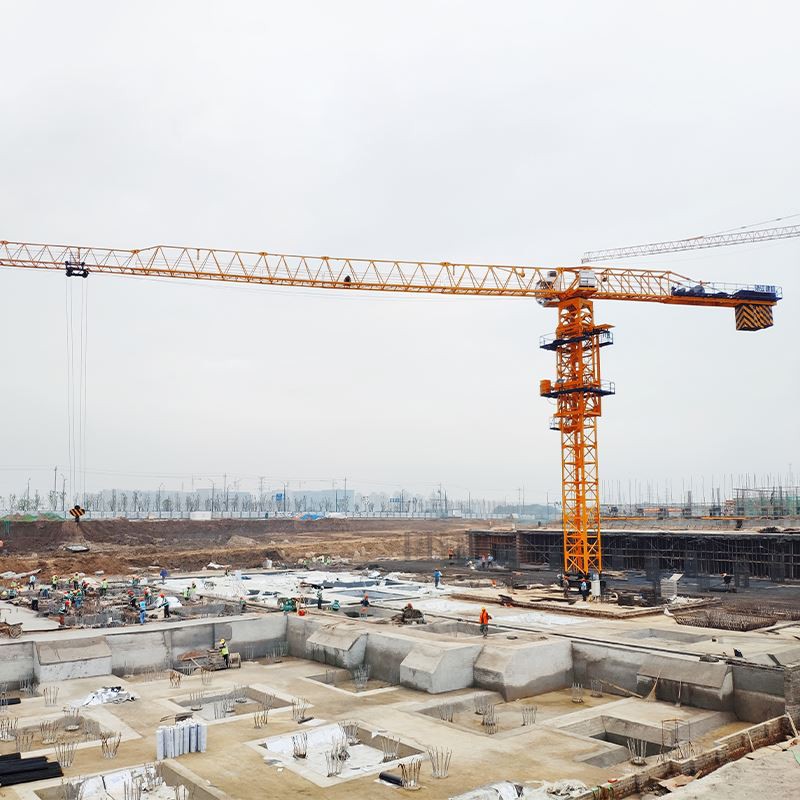
3. Lifting Capacity
Now, let's talk about lifting capacity. Tower cranes are known for their high lifting capacities. They can lift really heavy loads to great heights, which makes them ideal for high - rise construction projects. If you're building a skyscraper, you'll probably need a tower crane to lift steel beams, concrete blocks, and other heavy materials to the upper floors.
Flat top cranes also have decent lifting capacities, but they might not be as high as those of tower cranes in some cases. However, for most medium - sized construction projects, the lifting capacity of a flat top crane is more than enough. For example, our Flat Head Tower Crane - ZJT7022 can handle a good amount of weight and is suitable for a wide range of construction tasks. It's a reliable workhorse that can get the job done without breaking the bank.
4. Cost - effectiveness
Cost is always a big factor in construction projects. Tower cranes can be quite expensive to purchase and maintain. The complex design and high - end components mean that the initial investment is substantial. And then there are the ongoing maintenance costs, which can add up over time.
Flat top cranes, on the other hand, are often more cost - effective. They're generally cheaper to purchase because of their simpler design. The maintenance costs are also lower since there are fewer complex parts. If you're on a tight budget, a flat top crane can be a great option. You can get a reliable crane that meets your lifting needs without spending a fortune. Our New Flat Head Tower Crane is a great example of a cost - effective flat top crane that offers good performance at an affordable price.
5. Safety
Safety is paramount in the construction industry. Both tower cranes and flat top cranes have safety features, but the flat top design has some safety advantages. The flat jib reduces the risk of collisions with other objects on the construction site. Since there are no triangular structures sticking out, there's less chance of hitting nearby buildings, scaffolding, or other equipment.
In addition, the easier assembly process of flat top cranes means that there's less risk during the setup phase. Workers are less likely to get injured when putting together a flat top crane compared to a tower crane. And our 6t Construction Crane comes with a range of safety features to ensure that your construction site is as safe as possible.
Conclusion
So, there you have it. When comparing a flat top crane to a tower crane, it really depends on your specific needs. If you're working on a large - scale, high - rise construction project that requires massive lifting capacity and you have the budget for it, a tower crane might be the way to go. But if you're looking for a more flexible, cost - effective, and easier - to - assemble option, a flat top crane is a great choice.
As a flat top crane supplier, I can attest to the many benefits of these cranes. They're reliable, efficient, and can save you time and money in the long run. If you're in the market for a crane for your next construction project, I'd love to have a chat with you. Whether you have questions about our products or need help choosing the right crane for your needs, don't hesitate to reach out. Let's work together to make your construction project a success!
References
- Construction Equipment Handbook, various editions
- Industry reports on crane technology and usage