

What is the power source of a static tower crane?
Dec 18, 2025
Leave a message
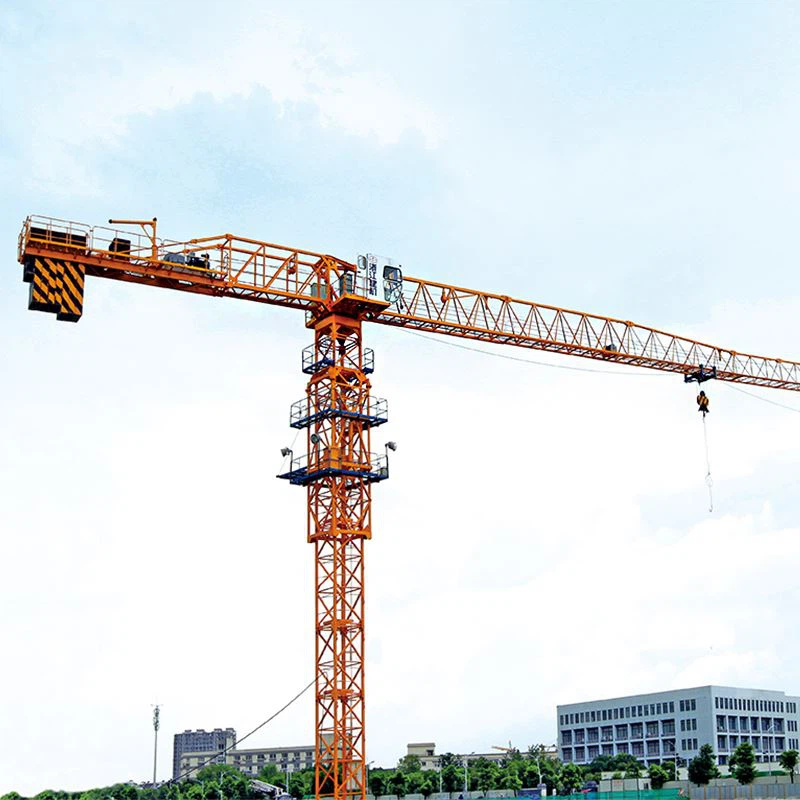
As a supplier of Static Tower Cranes, I've had numerous inquiries about the power sources that make these colossal machines function efficiently. Understanding the power source of a static tower crane is crucial for construction companies, contractors, and anyone involved in the construction industry. In this blog post, I'll delve into the various power sources commonly used in static tower cranes, exploring their advantages, disadvantages, and applications.
1. Electric Power
Electric power is one of the most prevalent sources for static tower cranes. These cranes are connected to the electrical grid through a cable, which provides a continuous and reliable power supply. One of the main advantages of electric-powered cranes is their environmental friendliness. They produce zero emissions at the point of use, which is a significant advantage in urban construction sites where air quality is a concern.
Another benefit is the precision and control they offer. Electric motors can be finely tuned to provide smooth and accurate movements, making them ideal for tasks that require high levels of accuracy, such as placing heavy pre - fabricated elements. Additionally, electric cranes are generally quieter than their diesel - powered counterparts, reducing noise pollution on the construction site.
However, electric static tower cranes also have some limitations. The need for a connection to the electrical grid restricts their mobility. They can only operate within the range of the power cable, which may not be suitable for remote construction sites where access to the grid is limited. Moreover, the initial setup cost for an electric crane can be relatively high, as it may involve installing a power distribution system on the site.
If you're interested in learning more about cranes in the construction industry, you can visit Construction Industry Cranes.
2. Diesel Power
Diesel engines are another popular power source for static tower cranes. Diesel - powered cranes are self - contained, meaning they don't rely on an external power supply. This makes them highly versatile and suitable for use in remote locations where there is no access to the electrical grid.
Diesel engines provide high torque, which is essential for lifting heavy loads. They are also known for their durability and reliability, with the ability to operate continuously for long periods under harsh conditions. In addition, diesel fuel is readily available in most areas, ensuring that the crane can keep running without interruption.
On the downside, diesel engines produce exhaust emissions, including harmful pollutants such as carbon monoxide, nitrogen oxides, and particulate matter. These emissions can have a negative impact on the environment and human health, especially in urban areas. Diesel engines also tend to be noisier than electric motors, which can be a nuisance on construction sites in residential or noise - sensitive areas.
3. Hybrid Power
In recent years, hybrid power systems have emerged as a promising alternative for static tower cranes. A hybrid crane combines an electric motor with a diesel engine or another power source, such as a battery or a fuel cell. This combination allows the crane to take advantage of the benefits of both power sources while minimizing their drawbacks.
During normal operation, the crane can run on electric power, which is clean, quiet, and efficient. When the power demand is high, such as when lifting very heavy loads, the diesel engine or battery can kick in to provide additional power. This not only reduces fuel consumption and emissions but also extends the operating range of the crane, especially in areas with limited grid access.

However, hybrid technology is still relatively new in the crane industry, and there are some challenges associated with it. The initial cost of a hybrid static tower crane is typically higher than that of a conventional electric or diesel crane. Additionally, the complex power management system may require more maintenance and technical expertise to operate and repair.
4. Battery Power
Battery - powered static tower cranes are also becoming more common, especially in applications where environmental concerns are a top priority. Batteries store electrical energy, which can be used to power the crane's motors. The main advantage of battery - powered cranes is their zero - emissions operation, making them ideal for indoor construction sites or areas with strict environmental regulations.
Battery technology has advanced significantly in recent years, with improvements in energy density, charging time, and lifespan. This means that modern battery - powered cranes can operate for longer periods on a single charge and can be recharged relatively quickly. Some battery - powered cranes also feature regenerative braking systems, which can convert the energy generated during braking into electrical energy and store it back in the battery, further improving efficiency.
However, batteries also have limitations. The energy storage capacity of batteries is still relatively limited compared to diesel fuel or grid - connected electricity. This means that battery - powered cranes may have a shorter operating time and may require frequent recharging, which can disrupt the construction process.
Applications and Considerations
The choice of power source for a static tower crane depends on several factors, including the location of the construction site, the nature of the lifting tasks, and environmental regulations. For urban construction sites with access to the electrical grid, electric - powered cranes are often the preferred choice due to their environmental benefits and precision. In remote areas or sites where grid access is limited, diesel - powered or hybrid cranes are more suitable.
If you're in the market for a tower crane, we have a Tower Crane 20 Ton For Sale that offers excellent performance and reliability.
Conclusion
As a static tower crane supplier, I understand the importance of choosing the right power source for your construction needs. Each power source has its own set of advantages and disadvantages, and the decision should be based on a careful evaluation of the specific requirements of your project. Whether it's electric, diesel, hybrid, or battery power, the goal is to ensure that the crane operates safely, efficiently, and in an environmentally responsible manner.
If you're interested in learning more about our Static Tower Crane or have any questions about power sources, please don't hesitate to contact me. We're here to help you make the best decision for your construction project.
References
- American Society of Mechanical Engineers (ASME). (2018). Safety Standard for Tower Cranes.
- Construction Equipment Manufacturers Association (CEMA). (2020). Guidelines for Crane Selection and Operation.
- International Electrotechnical Commission (IEC). (2019). Standards for Electrical Equipment in Construction Machinery.