

What are the braking systems of a flat top crane?
Oct 02, 2025
Leave a message
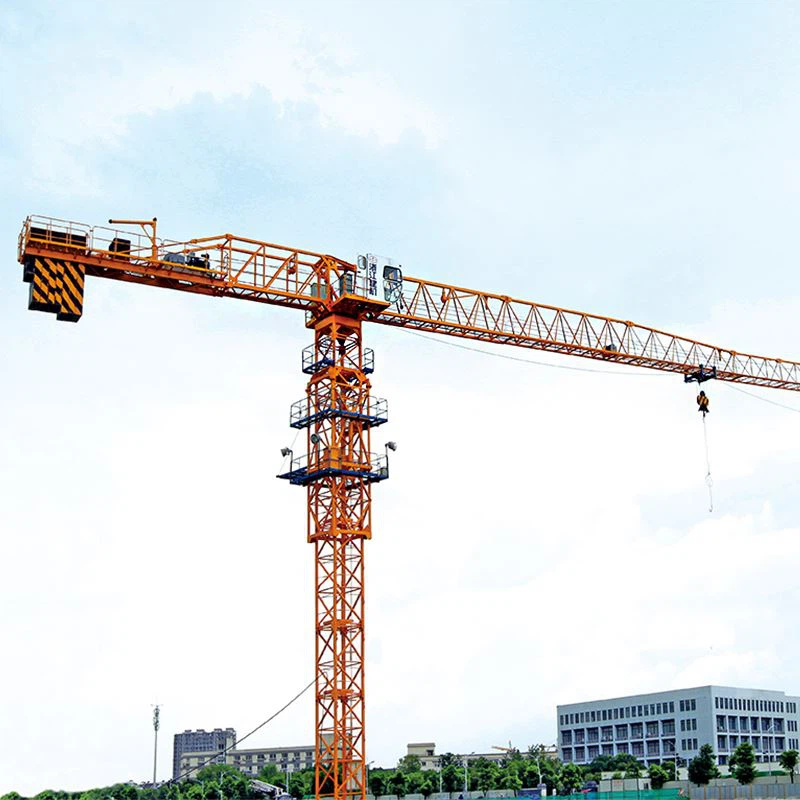
Hey there! As a supplier of flat top cranes, I've had my fair share of experiences with these amazing machines. One of the most crucial aspects of a flat top crane is its braking system. In this blog, I'm gonna break down the different types of braking systems used in flat top cranes, why they're so important, and how they work.
Why Braking Systems Matter in Flat Top Cranes
First off, let's talk about why braking systems are a big deal for flat top cranes. These cranes are used in all sorts of construction projects, from building skyscrapers to erecting bridges. They handle heavy loads and operate in various conditions, so having a reliable braking system is essential for safety and efficiency.
A good braking system ensures that the crane can stop quickly and smoothly when needed. This is crucial when you're lifting and moving heavy objects, as any sudden movements or failures can lead to accidents and damage. Plus, it helps in precise positioning of the load, which is super important in construction work.

Types of Braking Systems in Flat Top Cranes
1. Mechanical Brakes
Mechanical brakes are one of the most common types of braking systems used in flat top cranes. They work on the principle of friction. When the brake is engaged, a friction material, like a brake pad, presses against a rotating part, such as a brake drum or disc. This creates friction, which slows down and eventually stops the rotation.
There are different types of mechanical brakes, including shoe brakes and disc brakes. Shoe brakes use brake shoes that press against the inside or outside of a brake drum. Disc brakes, on the other hand, use brake pads that clamp onto a rotating disc.
One of the advantages of mechanical brakes is their simplicity. They're relatively easy to understand and maintain. However, they can wear out over time, especially with frequent use. That's why regular inspections and replacements of brake pads are necessary.
2. Hydraulic Brakes
Hydraulic brakes are another popular option for flat top cranes. These brakes use hydraulic fluid to transfer force from the brake pedal or control to the braking mechanism. When the brake is applied, hydraulic pressure is created, which activates the brake calipers or cylinders.
Hydraulic brakes offer several benefits. They provide smooth and consistent braking performance, and they can generate a lot of stopping power. They're also less affected by wear and tear compared to mechanical brakes. However, hydraulic systems require more maintenance, as they need to be checked for leaks and the hydraulic fluid needs to be changed regularly.
3. Electric Brakes
Electric brakes are becoming increasingly common in modern flat top cranes. These brakes use an electric current to create a magnetic field, which engages the brake. When the power is cut off, the brake is released.
Electric brakes are known for their quick response time. They can stop the crane almost instantly, which is great for safety. They're also easy to control, as they can be integrated with the crane's control system. However, they rely on a stable power supply, so any electrical issues can affect their performance.
How Braking Systems Work Together in a Flat Top Crane
In a flat top crane, the braking systems don't work in isolation. They're part of a larger system that includes the crane's motor, gearbox, and control system. When the operator wants to stop the crane, the control system sends a signal to the braking system.
The braking system then engages, and depending on the type of brake, it uses friction, hydraulic pressure, or an electric current to stop the rotation of the crane's moving parts. At the same time, the motor and gearbox are also adjusted to ensure a smooth stop.
For example, in a flat top crane with a mechanical brake and an electric motor, when the operator presses the brake pedal, the mechanical brake engages to slow down the rotation of the drum or disc. At the same time, the electric motor's power is reduced, which also helps in stopping the crane.
Importance of Regular Maintenance
Regular maintenance of the braking system is crucial for the safe and efficient operation of a flat top crane. As I mentioned earlier, mechanical brakes can wear out over time, and hydraulic systems need to be checked for leaks. Electric brakes need to be inspected for electrical connections and proper functioning.
It's recommended to have a maintenance schedule in place, where the brakes are inspected, cleaned, and adjusted regularly. Any worn-out parts should be replaced immediately to prevent any potential failures.
Our Flat Top Cranes and Their Braking Systems
At our company, we take pride in offering high-quality flat top cranes with reliable braking systems. Our cranes are equipped with the latest technology and are designed to meet the highest safety standards.
For example, our Flat Head Tower Crane 8T comes with a combination of mechanical and hydraulic brakes. This provides a double layer of safety and ensures smooth and efficient braking performance.
Our Building Construction Tower Crane is also equipped with advanced electric brakes, which offer quick response times and precise control.
Conclusion
In conclusion, the braking system is a vital component of a flat top crane. Whether it's a mechanical, hydraulic, or electric brake, each type has its own advantages and plays a crucial role in ensuring the safety and efficiency of the crane.
If you're in the Construction Industry Cranes and are looking for a reliable flat top crane, we're here to help. Our team of experts can provide you with all the information you need and assist you in choosing the right crane for your project.
If you're interested in purchasing a flat top crane or have any questions about our products, feel free to reach out to us. We're always happy to have a chat and discuss your needs. Let's work together to make your construction projects a success!
References
- Crane Manufacturer's Handbook
- Construction Equipment Magazine
- Safety Standards for Cranes in the Construction Industry