

How to stop the Flat Head Tower Crane 8T?
Oct 06, 2025
Leave a message
Hey there! I'm a supplier of the Flat Head Tower Crane 8T, and today I wanna talk about how to stop this bad boy safely and effectively.
Understanding the Basics
First things first, before we dive into the stopping process, it's crucial to know a bit about the Flat Head Tower Crane 8T. This type of crane is a real workhorse in the construction industry. It's got an 8 - ton lifting capacity, which is pretty impressive. You can check out more about similar models like the 42m Free Height Flat Top Tower Crane on our website.
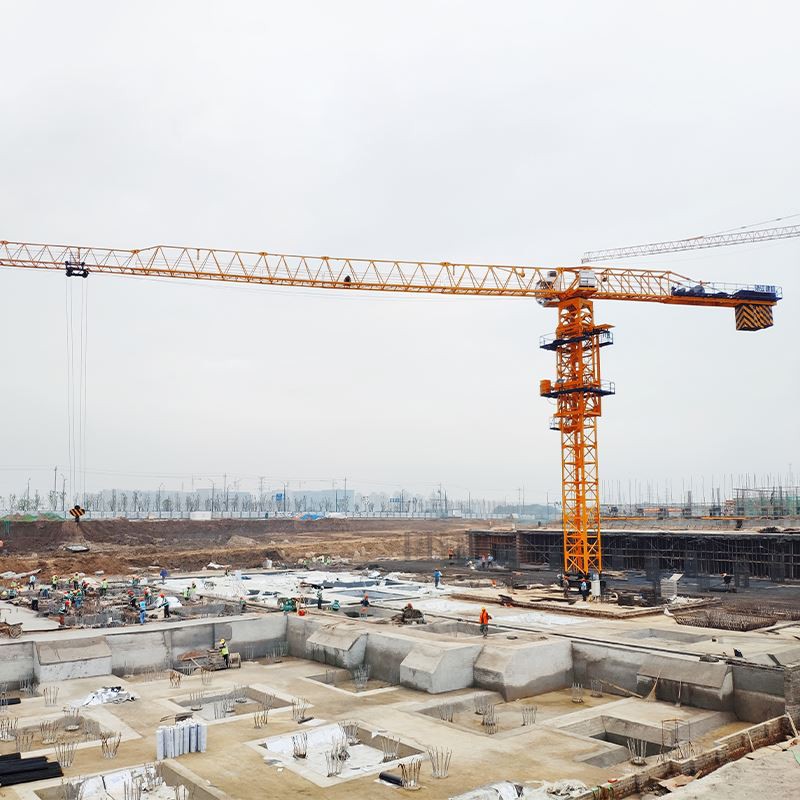
The flat - head design of this crane gives it some unique advantages. It's more compact compared to other types of tower cranes, which makes it great for construction sites with limited space. And if you're interested in a general overview of flat - head cranes, you can visit the Flat Head Crane page.
When to Stop the Crane
There are several situations where you need to stop the Flat Head Tower Crane 8T. One obvious reason is at the end of a work shift. You don't wanna leave the crane running overnight, right? Another situation is when there's an emergency. Maybe there's a sudden strong wind, or there's a problem with the load it's carrying.
Also, if you notice any mechanical issues like strange noises, vibrations, or malfunctions in the control system, it's time to stop the crane immediately. Don't try to push it and hope the problem will go away. That's just asking for trouble.

Step - by - Step Stopping Process
Step 1: Check the Load
Before you even think about stopping the crane, make sure the load is stable. If the crane is in the middle of lifting or moving a heavy object, you can't just hit the stop button. First, lower the load gently to a safe position on the ground. Make sure it's properly secured and won't tip over or cause any damage.
Step 2: Reduce the Speed
Once the load is safely on the ground, start reducing the speed of the crane's movement. Most modern Flat Head Tower Crane 8Ts have variable speed controls. Gradually decrease the speed until the crane is moving at a very slow pace. This helps to prevent any sudden jerks or movements that could damage the crane or the surrounding equipment.
Step 3: Engage the Brakes
After you've reduced the speed, it's time to engage the brakes. The crane should have both mechanical and hydraulic brakes. First, apply the mechanical brakes. These are usually the primary braking system and are designed to hold the crane in place. Then, if necessary, use the hydraulic brakes as an additional safety measure.
Step 4: Power Off the Controls
Once the brakes are engaged and the crane has come to a complete stop, power off the control system. This includes turning off the main power switch in the operator's cabin. Make sure all the control levers are in the neutral position. This prevents any accidental activation of the crane's functions.
Step 5: Secure the Crane
After powering off the controls, you need to secure the crane. This means locking the access doors to the operator's cabin and any other compartments. You should also check that all the cables and ropes are properly coiled and stored. This helps to prevent any damage to the cables and keeps the work area safe.
Maintenance After Stopping
Stopping the crane is not the end of the story. You also need to do some maintenance to keep it in good working condition. After each use, inspect the crane for any signs of wear and tear. Check the brakes, the cables, and the structural components. If you notice any issues, make sure to address them as soon as possible.
Regular lubrication of the moving parts is also essential. This helps to reduce friction and prevent premature wear. Follow the manufacturer's recommendations for the type and frequency of lubrication.
Safety Precautions
Safety should always be your top priority when dealing with the Flat Head Tower Crane 8T. Make sure all operators are properly trained and certified. They should know how to operate the crane safely and how to handle emergency situations.
During the stopping process, make sure there are no people standing in the danger zone. The area around the crane can be hazardous, especially when the brakes are being applied or when the load is being lowered.
Troubleshooting
Sometimes, you might encounter problems when trying to stop the crane. For example, the brakes might not engage properly. If this happens, don't panic. First, try to troubleshoot the issue. Check the brake fluid level if it's a hydraulic brake system. Make sure the brake pads are not worn out.
If you can't figure out the problem on your own, call in a professional technician. Don't try to fix it yourself if you're not qualified. It's better to be safe than sorry.
Conclusion
Stopping the Flat Head Tower Crane 8T is a process that requires careful attention and following the right steps. By understanding when to stop the crane, following the step - by - step stopping process, and doing proper maintenance, you can ensure the safety and longevity of the crane.
If you're in the market for a new Flat Head Tower Crane 8T or want to learn more about our New Flat Head Tower Crane models, feel free to reach out to us. We're here to answer all your questions and help you make the right choice for your construction needs. Let's work together to make your construction projects a success!
References
- Crane Operator's Manual for Flat Head Tower Crane 8T
- Industry Standards for Tower Crane Operation and Safety