

How often should the Flat Head Tower Crane 8T be maintained?
Nov 25, 2025
Leave a message
Hey there! As a supplier of the Flat Head Tower Crane 8T, I often get asked about how often this bad - boy should be maintained. Well, let's dive right into it and break down the maintenance schedule to keep your crane running smoothly.
Why Maintenance Matters
First off, you might be wondering why maintenance is such a big deal. Well, think about it. The Flat Head Tower Crane 8T is a workhorse in the Construction Industry Cranes. It's used to lift heavy loads, move materials around job sites, and help build those towering structures we see all around us. If it breaks down, it can bring your whole project to a grinding halt, costing you time and money. Regular maintenance helps prevent unexpected breakdowns, extends the lifespan of the crane, and most importantly, keeps your workers safe.
Daily Checks
The first line of defense in crane maintenance is the daily check. Every day before you start using the Flat Head Tower Crane 8T, you should do a quick walk - around inspection.
- Visual Inspection: Look for any obvious signs of damage, like cracks in the structure, loose bolts, or frayed cables. Check the paint job too; if there are areas where the paint is chipped, it could be a sign of corrosion starting.
- Fluid Levels: Check the hydraulic fluid, engine oil, and coolant levels. Low fluid levels can cause overheating and damage to the crane's components.
- Controls: Test all the controls, including the hoist, trolley, and slewing controls. Make sure they respond smoothly and there are no strange noises or jerks.
Weekly Maintenance
Once a week, you should perform a more in - depth maintenance routine.
- Lubrication: Lubricate all the moving parts, such as the bearings, gears, and pulleys. Proper lubrication reduces friction, which in turn reduces wear and tear on these parts.
- Electrical System: Inspect the electrical system for any loose connections, damaged wires, or blown fuses. A faulty electrical system can cause malfunctions or even pose a fire hazard.
- Safety Devices: Check all the safety devices, like the overload protection system, anti - two - block device, and limit switches. These devices are crucial for preventing accidents, so you want to make sure they're in good working condition.
Monthly Maintenance
On a monthly basis, you need to take a closer look at some of the crane's more complex components.
- Cable Inspection: Examine the crane's cables for signs of wear, such as broken strands or excessive stretching. If the cables are in bad shape, they need to be replaced immediately, as a cable failure can be extremely dangerous.
- Brake System: Test the brakes to ensure they're working properly. The brakes are responsible for stopping the crane's movement, so they need to be in top - notch condition.
- Structural Integrity: Use non - destructive testing methods, like ultrasonic testing, to check the structural integrity of the crane. This helps detect any internal flaws that might not be visible during a visual inspection.
Quarterly Maintenance
Every three months, it's time for a comprehensive maintenance check.
- Engine Tune - up: If your Flat Head Tower Crane 8T has an engine, it should be tuned up. This includes changing the oil and filters, checking the spark plugs, and adjusting the engine timing.
- Hydraulic System: Flush and refill the hydraulic fluid, and check the hydraulic hoses for leaks or damage. The hydraulic system is what gives the crane its lifting power, so it needs to be in perfect working order.
- Load Testing: Perform a load test to make sure the crane can still handle its rated capacity. This involves lifting a test load and checking the crane's performance under stress.
Annual Maintenance
Once a year, the crane should undergo a full - scale maintenance overhaul.
- Complete Disassembly and Inspection: Take the crane apart as much as possible and inspect every single component. Replace any parts that are worn out or damaged.
- Calibration: Calibrate all the instruments and sensors on the crane to ensure accurate readings.
- Compliance Check: Make sure the crane complies with all the relevant safety standards and regulations.
Special Considerations
The maintenance schedule I've outlined above is a general guideline. The actual maintenance frequency might need to be adjusted based on a few factors.
- Usage: If the crane is used more frequently or in more demanding conditions, it might need more frequent maintenance. For example, if it's used on a busy construction site where it's lifting heavy loads all day long, it'll take more of a beating than a crane that's used occasionally.
- Environment: The environment in which the crane operates also matters. If it's exposed to harsh weather conditions, like extreme heat, cold, or high humidity, it can accelerate the wear and tear on the crane's components. In these cases, you might need to increase the maintenance frequency.
Our Products and Support
As a supplier of the Flat Head Tower Crane 8T, we offer a range of related products. For instance, our Static Tower Crane is a great option for projects where you need a stable and reliable crane. And if you're looking for a more specific model, our QTZP125 Flat Top Tower Crane has some unique features that might suit your needs.
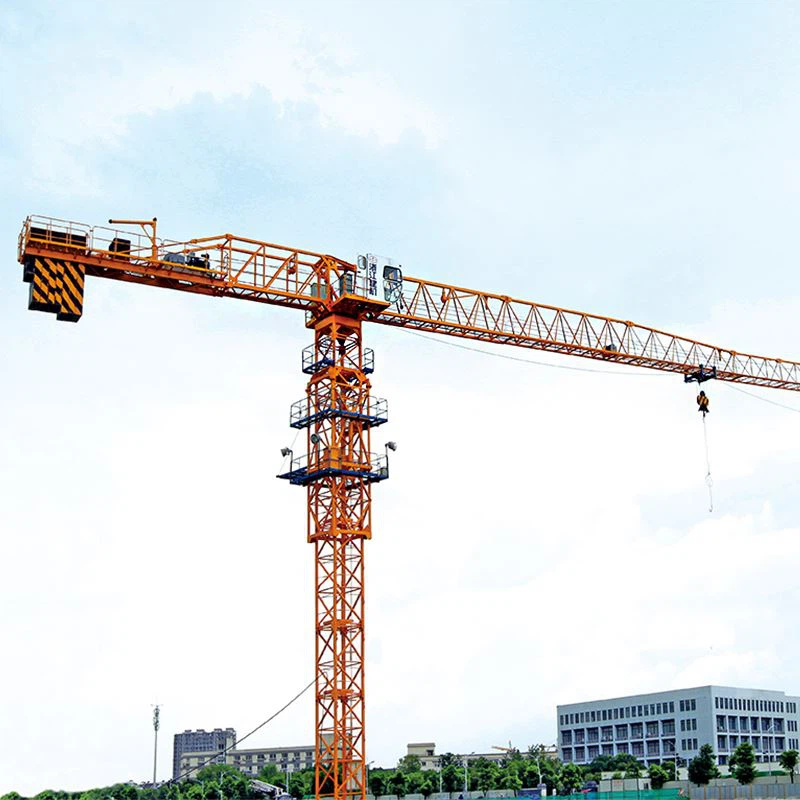

We also provide comprehensive maintenance support. Our team of experts can help you with everything from routine maintenance to major overhauls. We have a stock of genuine parts, so you can be sure that any replacements are of the highest quality.
If you're in the market for a Flat Head Tower Crane 8T or need more information about our maintenance services, don't hesitate to reach out. We're here to help you keep your crane in top shape and ensure your construction projects run smoothly.
References
- "Tower Crane Safety and Maintenance Guide", Construction Equipment Magazine
- "Best Practices for Crane Maintenance", International Association of Crane Manufacturers